
Industries
Food & Beverage
Heavy, fast-moving product with dates, lots, and temperatures to respect.
The Challenge
Heavy cases, tight dates, constant forklift traffic
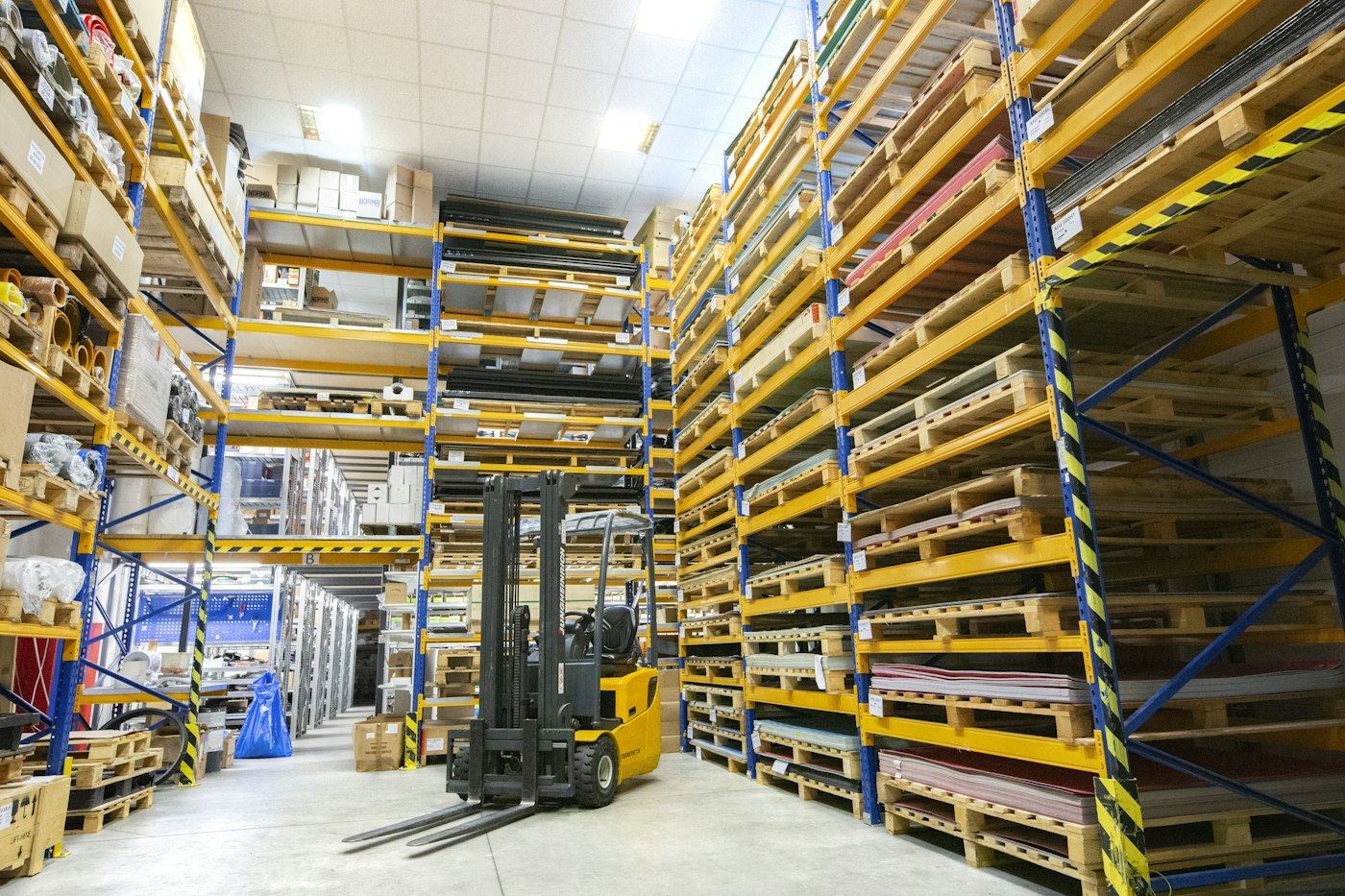
Food and beverage operations move heavy cases and full pallets at high volume, often with few SKUs per order but strict rules on rotation and traceability. Every case lifted by hand is a strain risk, and every forklift crossing is a safety risk.
Where Automation Pays Off
Solutions for Food & Beverage
The systems DeRosa integrates most often in this industry, and why they fit.
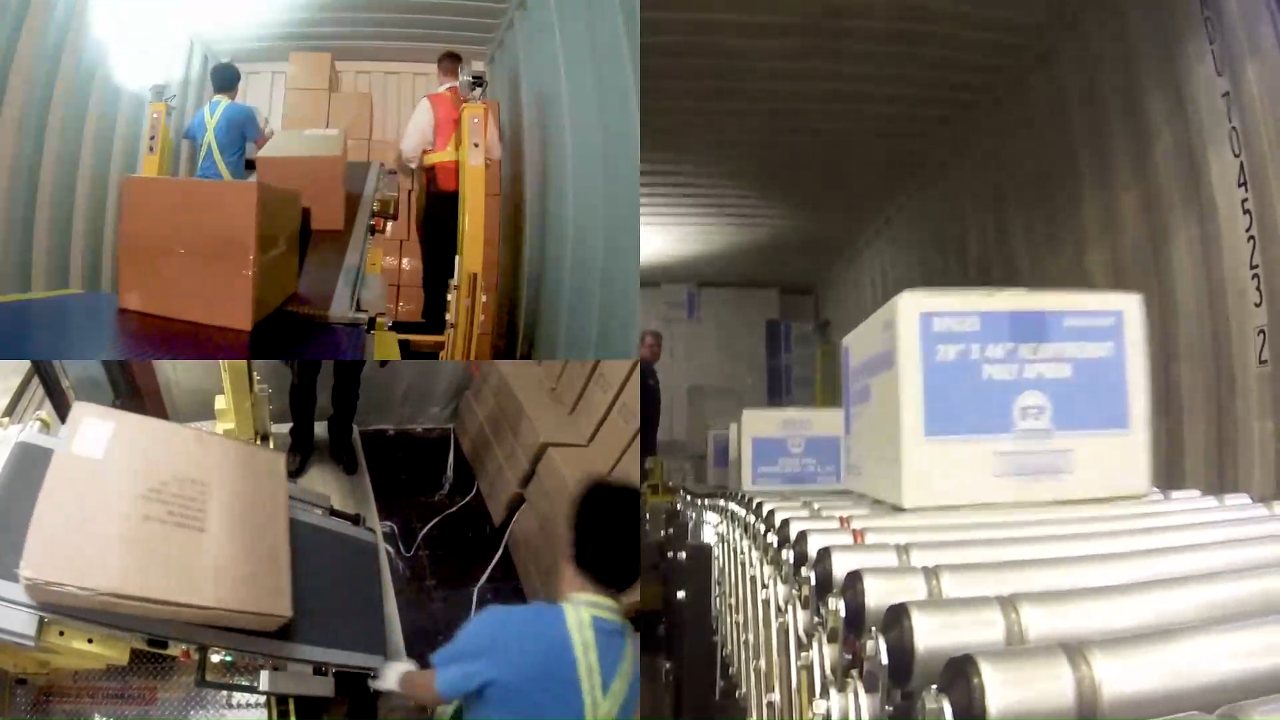
Trailer Loading & Unloading
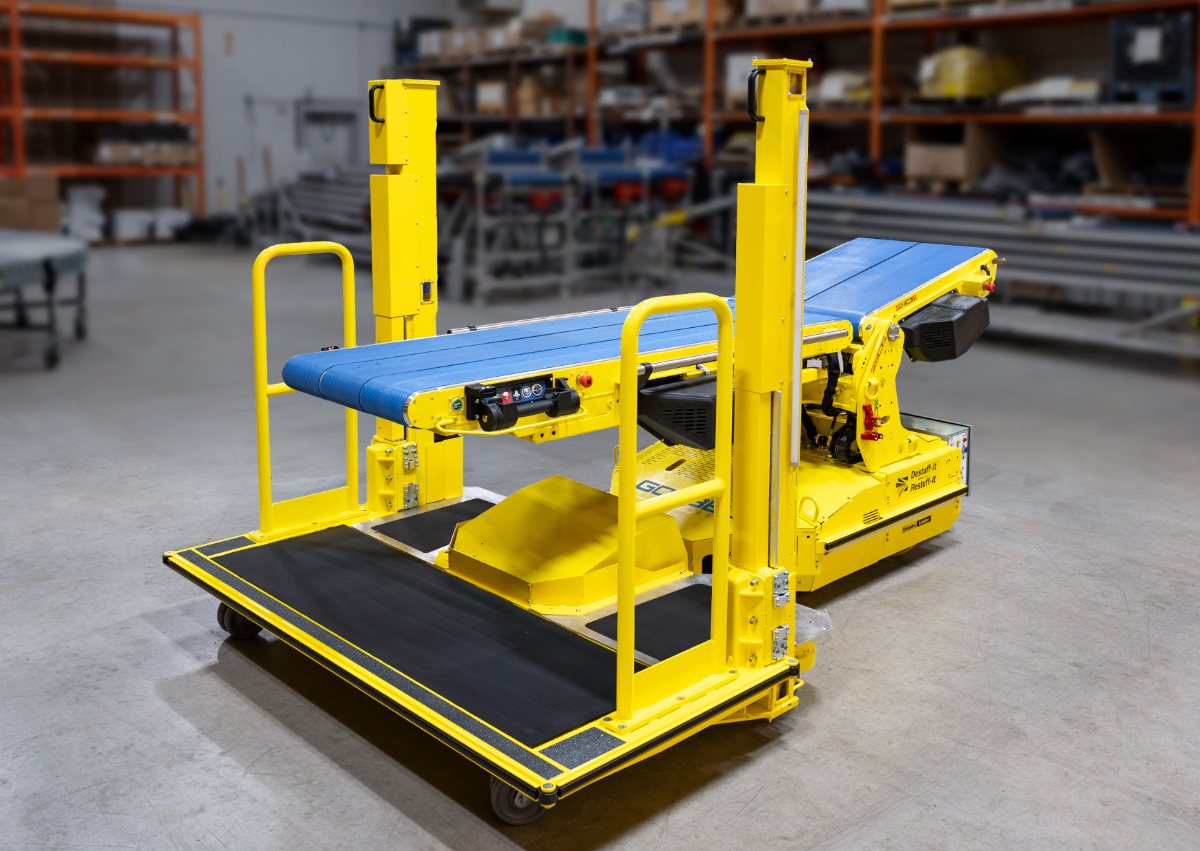
Raises and lowers to every layer of the load, so heavy cases are never lifted from the floor or above the shoulder.
Explore →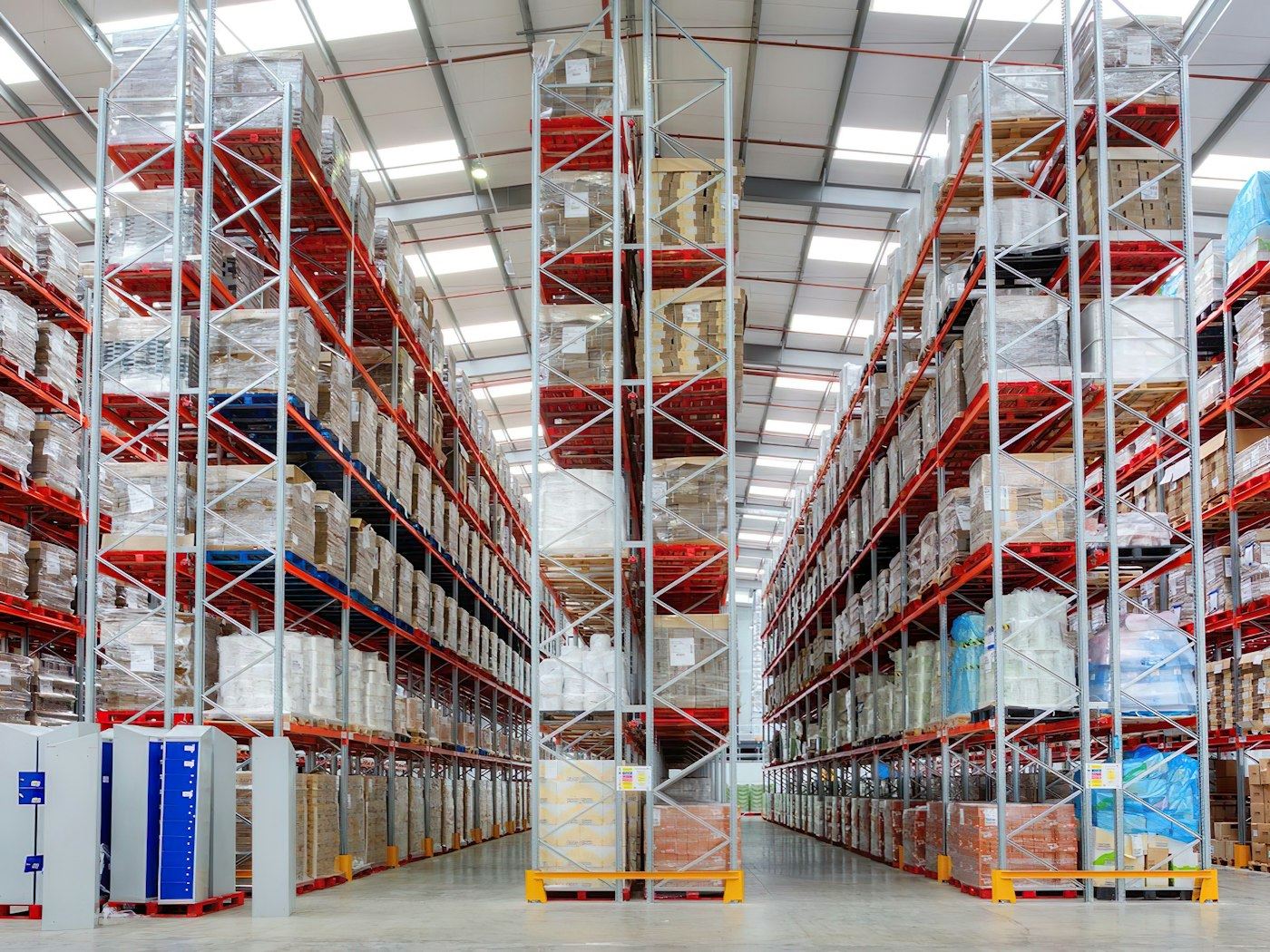
Automated Shuttle Racking
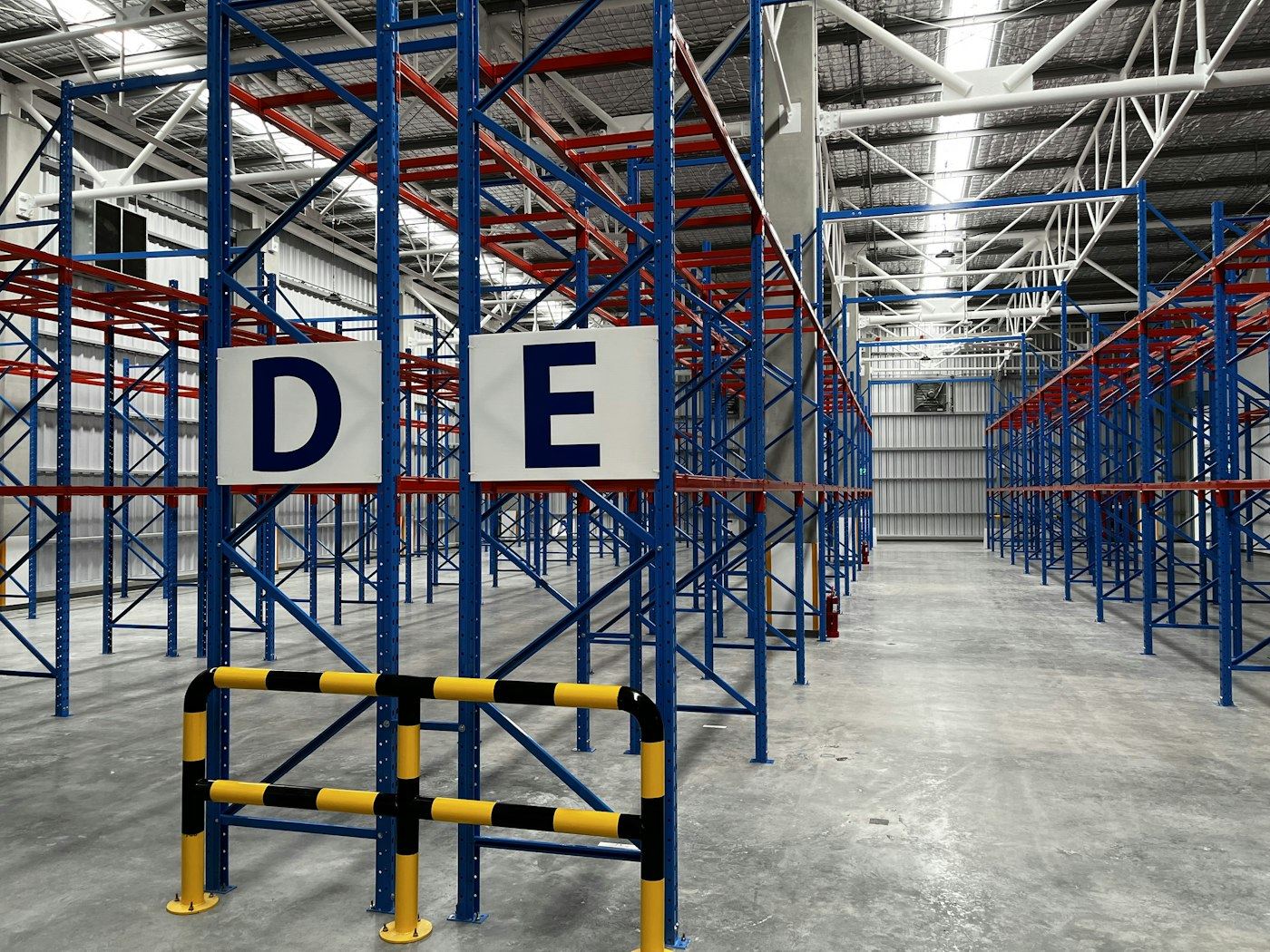
Shuttle and drive-in racking store many pallets of each SKU deep, with first-in, first-out rotation.
Explore →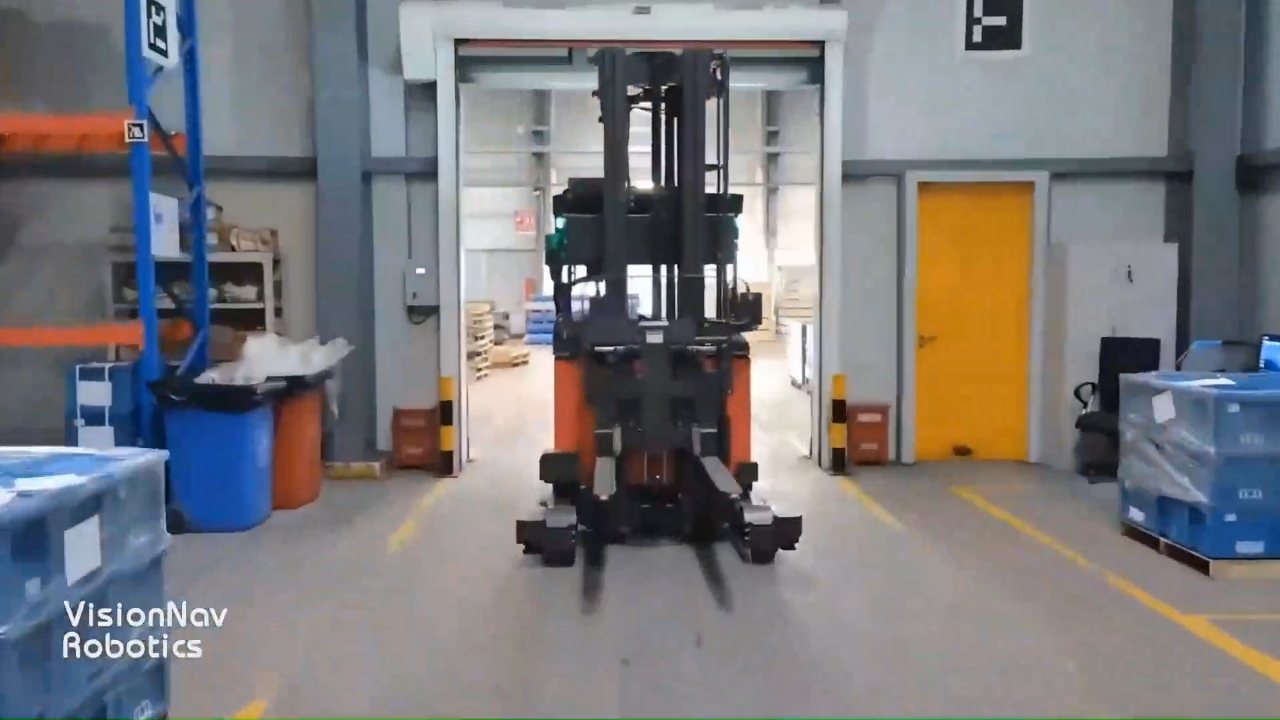
AGVs & AMRs
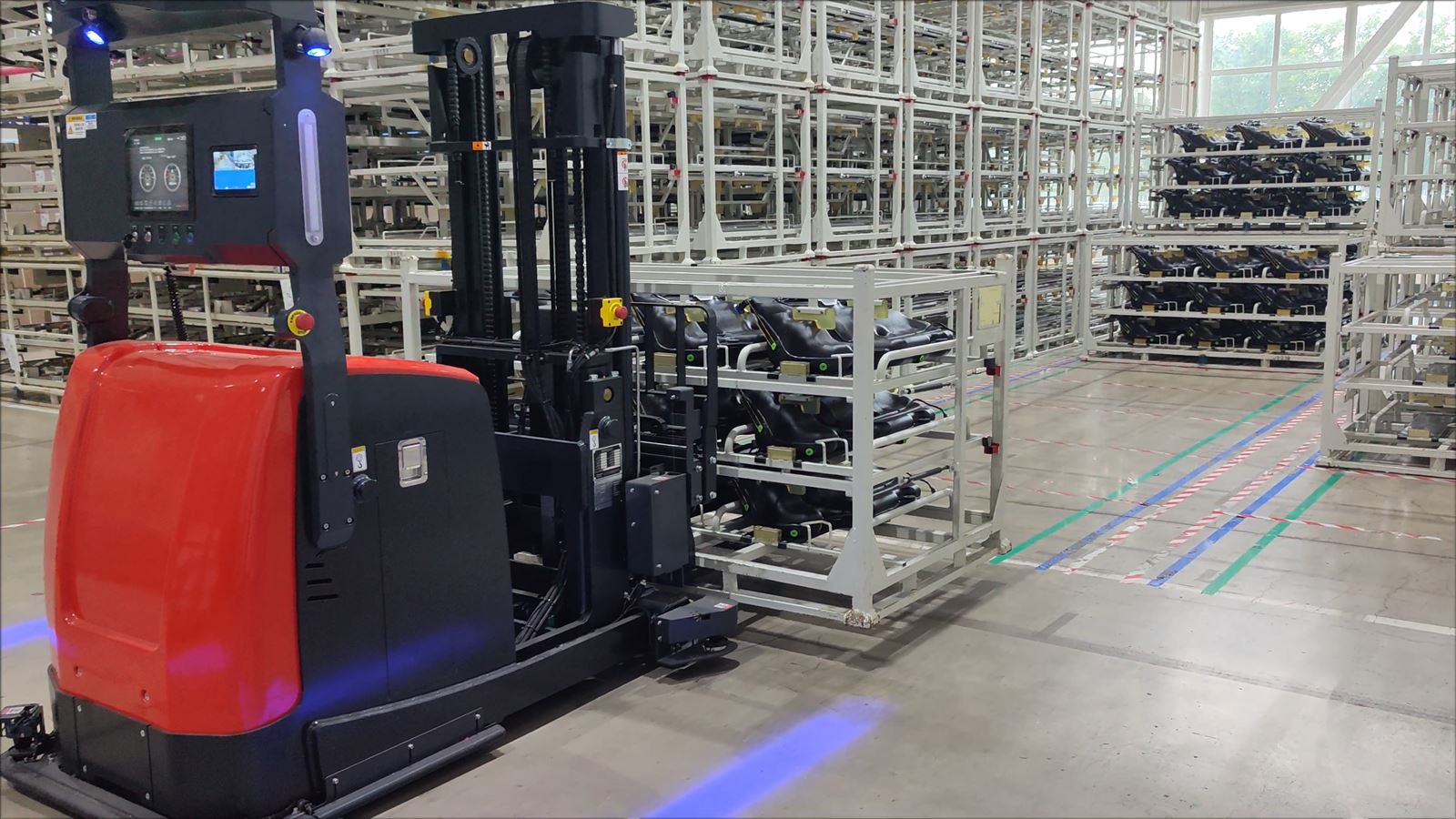
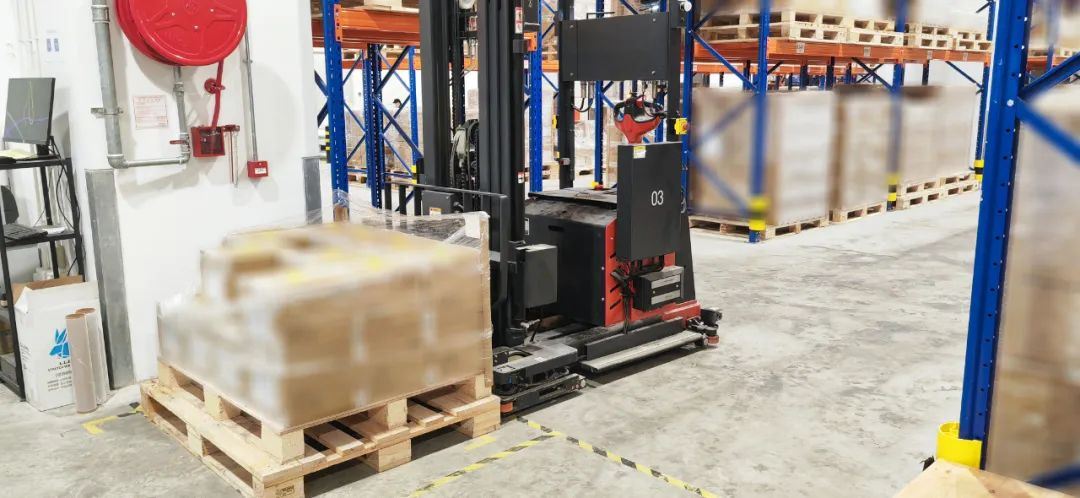
Autonomous forklifts run repetitive pallet moves from production or receiving to storage around the clock.
Explore →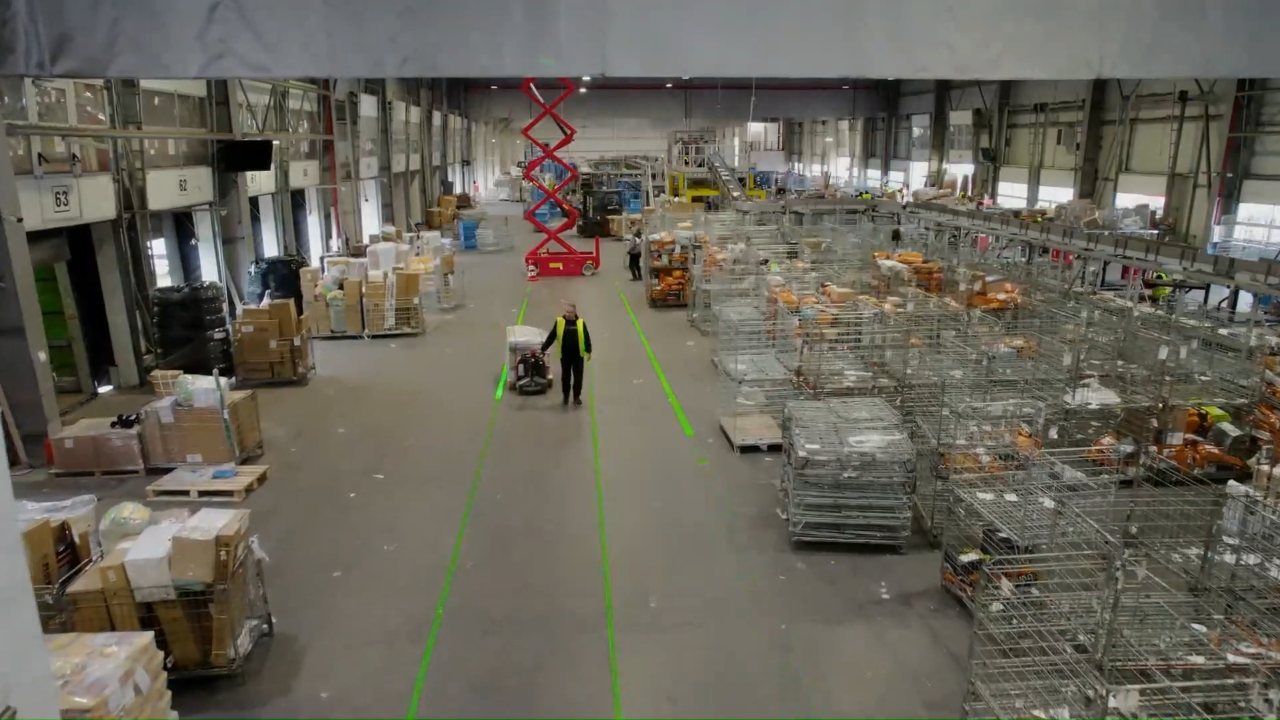
Projection Systems
Projected walkways and STOP signs at docks and crossings, unaffected by washdowns and wet floors.
Explore →Proven Results
What similar operations achieved
Published customer results from our technology partners. Your results depend on your volumes, layout, and processes. See all case studies →
What Matters Most
- Ergonomics
- Lot traceability
- Product rotation
- Pallet density
- Traffic safety
How DeRosa delivers
- 01
Map rotation rules
We document FIFO/FEFO, lot tracking, and temperature zones before anything is designed.
- 02
Size for case weight
Unloading and picking equipment is chosen for your heaviest cases and pallet patterns.
- 03
Plan around sanitation
Equipment placement and finishes respect washdown and food-safety routines.
- 04
Separate people and trucks
Traffic flows, crossings, and projected signs are laid out with the equipment.
Let’s talk about your operation
Every facility is different. Tell us about yours and a DeRosa engineer will follow up.